Price calculator vs mechanic: what's the difference?
When buying or selling a used car, there are two separate questions: how much a car like that costs on the market, and what shape this specific car is in. A price calculator answers the first. A mechanic inspection answers the second. Here's what each one does, when each is useful, and how you can combine them when you want the full picture.
What Auto Cena actually does
Auto Cena is a market data tool. We analyze tens of thousands of real used car listings in Latvia and, based on a car's make, model, year, and mileage, give you a predicted price range. The calculator answers one specific question: how much does a car like this cost on the Latvian market right now? What we cannot tell you: whether the specific car you're looking at is in good technical condition. We don't see the engine running, we don't know about an unreported accident, we can't verify whether the owner serviced it on schedule.
What a mechanic inspection does
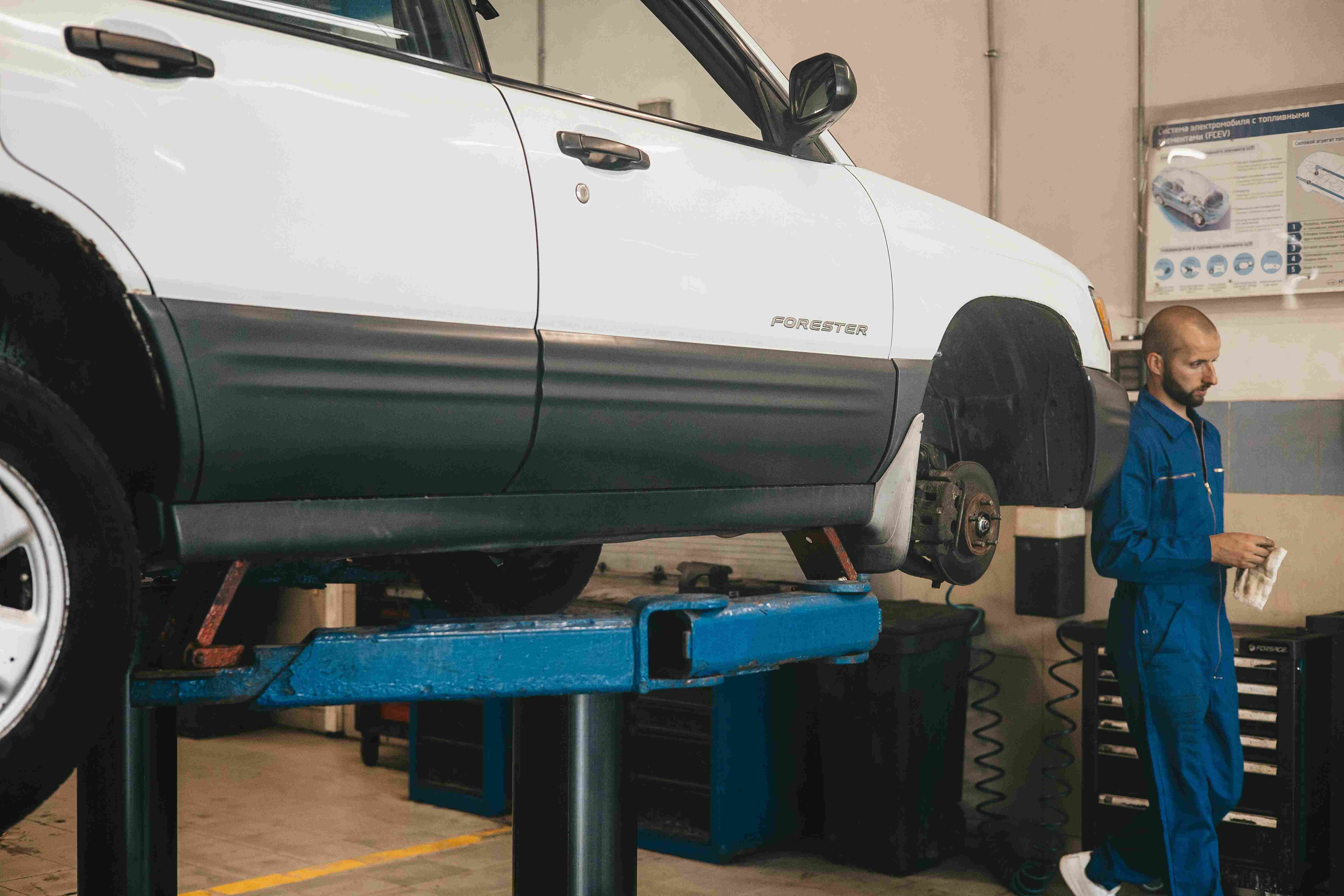
A mechanic inspection is the opposite — it answers questions about the condition of the specific car in front of you. A mechanic checks the engine, transmission, suspension, brakes, body for corrosion, paint for refinishing (which hints at past repairs), electronics, and so on. What a mechanic cannot tell you: how much that car is worth on the market today. A mechanic can say "this car is in excellent condition," but they cannot say "and that's why €19,000 is fair, not €17,000." Price isn't a function of technical condition alone — it's a function of what similar cars are currently selling for.
Together they answer the full question
A real buying or selling decision needs both answers. How much does a car like this cost on the market? — Auto Cena. Is this specific car in shape to justify that price? — A mechanic. Without the price calculator, you don't know whether the mechanic-approved "good car" is being offered at a fair price or marked up. Without the mechanic, you don't know whether the price hides defects that will turn a great-looking deal into a loss.
How to use them together
The practical sequence: First, before you meet the seller or book a mechanic, run the car through Auto Cena. You get a predicted price range — say €15,000–€19,000. Then go look at the car and have a mechanic inspect it. The mechanic's report tells you which end of the range applies. Excellent condition, full service history, no corrosion, original paint → upper end (~€18,000–€19,000). Average condition, a few fixable issues → middle (~€17,000). Visible problems — accident history, AC defects, oil leaks → lower end or walk away. Now you have something to negotiate with, instead of just accepting or rejecting the seller's number.
For sellers, the same logic in reverse
If you're selling, Auto Cena tells you the realistic price range for your car's model. If you know — and ideally, your car has paperwork to prove — that the car is in great technical condition, list at the upper end of that range. Make the case in the description: recent service, timing belt replaced, original maintenance records, single owner. Buyers will pay a premium for provable quality, but only when the proof is actually there.
The takeaway
Auto Cena and a mechanic inspection aren't competing answers — they're two pieces of the same puzzle. We give you the market side: what a car like this is worth right now. The mechanic gives you the technical side: whether this specific car backs up the price. Together they turn buying or selling into a transparent decision instead of a gamble. Start with a free Auto Cena estimate to know the range — then book the mechanic to find out where in the range your car sits.